The World of Interiors
Advisory Blog for Construction & Interiors
Interior Design Beyond Borders: How Pancho Guedes Redefined Spaces with Soul
Few names in the extensive and complex history of architecture sparkle with as much creative freedom as Amâncio d’Alpoim Miranda “Pancho” Guedes. Pancho was a painter, sculptor, architect, and visionary whose creations were a brilliant protest against the dogmatic modernism of his era. He created homes and buildings that looked to have souls by fusing emotion, mythology, and surrealism into living constructions. His ideas inspired a new generation of designers to combine architecture and art into a single living language, transcending geographical and genre boundaries.
Pancho’s philosophy provides a crucial lesson as modern interior design firms in Pakistan and construction companies in Lahore reinvent the built environment: excellent design is about more than just walls and finishes; it’s about emotion, human connection, and storytelling.
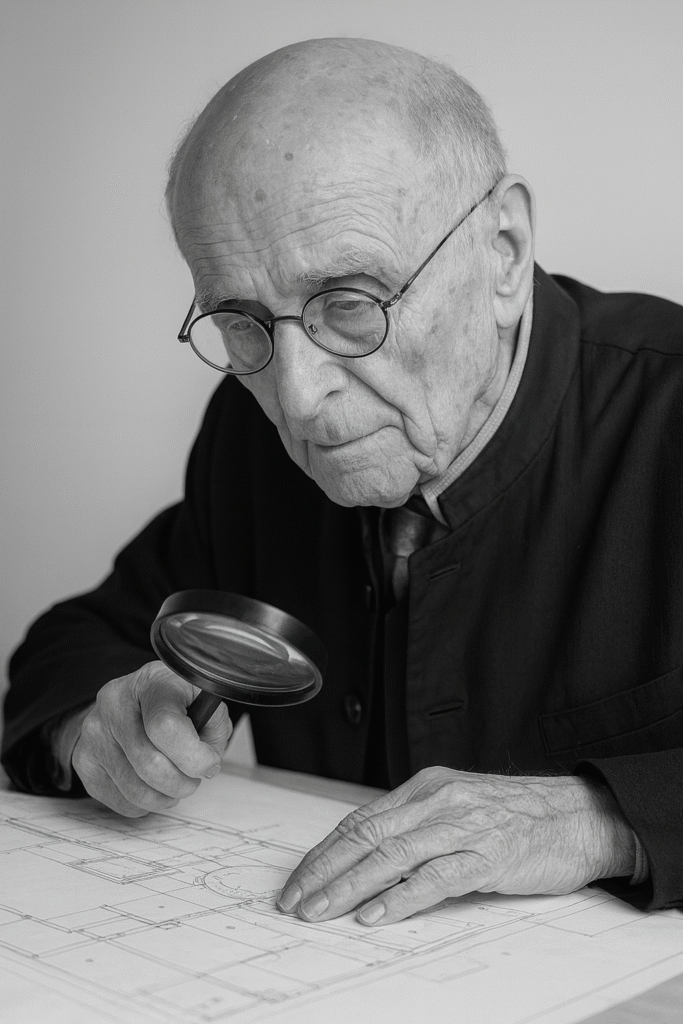
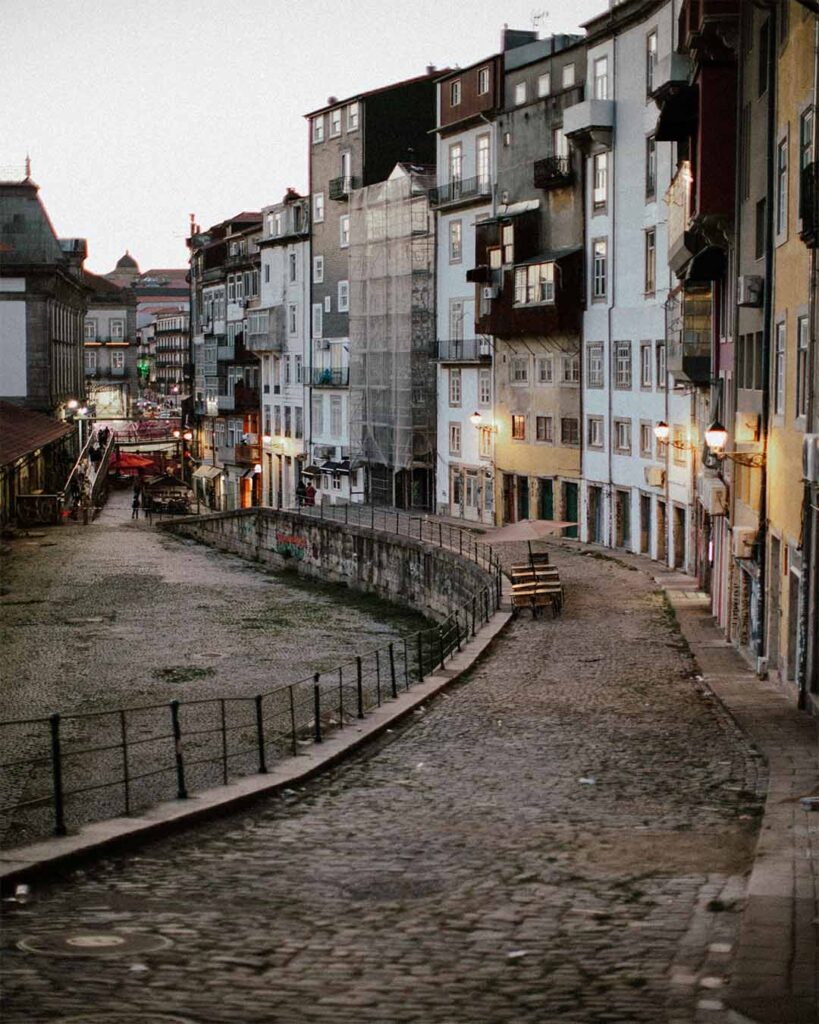
The Artist Who Built Dreams
Pancho Guedes, who was born in Lisbon in 1925 and grew up in Mozambique, lived in a world that was both modernist and magical, colonial and indigenous. Fernand Léger, a prominent modernist architect, was his teacher, but he quickly revolted against the International Style’s icy rationalism. Rather, he combined modernism and whimsy to create a hybrid style that became known as “Stiloguedes”—a world of anthropomorphic facades, curving lines, and painting textures.
In addition to their architectural inventiveness, his structures—like Maputo’s Smiling Lion Building—became iconic for their emotional intelligence. They were living things with faces, emotions, and tales; they weren’t merely places.
“I draw houses with feelings,” Guedes reportedly remarked. His homes were, in fact, emotional landscapes intended for love, laughter, and everyday routines, much like the greatest kitchen designs in Pakistan today.
Humanity in Architecture
A deep regard for uniqueness was at the heart of Pancho Guedes’ ideology. Every building he designed was an individual conversation between its setting, culture, and occupants. This strikes a deep chord with current South Asian trends, especially in Pakistani interior design, where the combination of modern and traditional elements is changing how people interact with space.
For example, leading building firms in Pakistan and a large number of builders in Lahore are moving away from standardization. Rather, they’re concentrating on the essence of design, fusing contemporary aesthetics with traditional components like wood, terracotta, and handcrafted tiles. This strategy reflects Pancho’s view that the “spirit of place” should be incorporated throughout design.
The question of whether this structure reflects life persists even during the most technical stages of creation, from the completion of the grey structure to the final finishing.
Architecture as a dynamic story rather than static geometry is the core of Pancho’s concept.
Redefining the Heart of the Home
The development of kitchen design in Pakistan would probably inspire Pancho greatly if he were still with us today. Previously hidden away, kitchens are now the center of contemporary houses, serving as areas that foster warmth, creativity, and family ties. This change is a perfect fit for Pancho’s holistic design concept. He would have viewed the kitchen as an expressive canvas of forms, textures, and light rather than as a functional box.
This idea is embraced by Pakistani kitchen designs of today, which combine elegance and functionality with features like natural stone countertops, open floor plans, soft lighting, and custom cabinetry that exude character and craftsmanship. In Pakistan, even kitchen décor has evolved from ornamentation to heartfelt storytelling, utilizing earthy hues, handcrafted ceramics, and flowing spatial linkages that promote comfort and conversation.
The problem for Guedes-inspired designers goes beyond aesthetics. Making kitchens that breathe and reflect the rhythms of the people who use them to cook, laugh, and live is an emotional endeavor.
Fusion, Fantasy, and Functionality
Labels were rejected by Pancho Guedes. He created what critics referred to as “buildings that could dance,” fusing the disciplines of painting, sculpture, and architecture. His legacy is extremely relevant to Pakistan’s current design ecology because of this hybridity.
This interdisciplinary approach is becoming more and more common among contemporary interior design firms in Pakistan. Homes that are both poetic and practical are emerging as a result of partnerships between architects, craftspeople, and visual artists. The Pancho ideology is making a comeback, not as copying but as inspiring, with its flowing curved staircases, mosaic-covered façade, and art-inspired interiors.
Pakistani designers are rediscovering their own visual heritage, just like Pancho did by drawing on regional Mozambican themes and folktales. For example, in Pakistan, traditional wardrobe designs are becoming architectural elements by using textured finishes, brass inlays, and carved wood, which honor craftsmanship while meeting contemporary demands. It serves as a reminder that intentionally built locations have the power to convey cultural narratives.
The Construction of Character
Every creative design has a base, both physically and figuratively. Pancho Guedes was an expert at combining spirit and structure. He collaborated extensively with masons, craftspeople, and builders, frequently sketching on location and modifying the structure’s proportions as it developed. His structures were not mass-produced but rather handcrafted.
The emergence of building contractors in Lahore and construction firms in Pakistan that are using custom design are contemporary examples of this collaborative craftsmanship. The grey structure is frequently the first step in the process, but what comes next defines if a project has soul or not.
Pancho himself would have praised the balance that some of Pakistan’s leading building firms are now striking between creative freedom and engineering precision. These businesses are learning that the true art of construction is not repetition but reinvention, as evidenced by their use of sustainable materials and vernacular climate responses.
Design with Soul: A Living Legacy
The genius of Pancho Guedes was his ability to infuse structure with soul. Like the people who lived there, his creations were human, tactile, and a little naughty; they were never sterile. He demonstrated the ability of buildings to sing, sigh, pout, or whisper.
This attitude pushes Lahore’s builders and interior designers to think beyond finances and trends and consider what feelings this environment evokes. Whether it’s a corporate project, a lively family home, or a minimalist flat, design that disregards soul eventually falls short of its goals.
That philosophy is being adopted by a new generation of decorators and architects throughout Pakistan. The focus is moving toward authenticity — areas that respect tradition while embracing modern living in everything from Pakistani kitchen décor to garment styles.
A Borderless Vision
Pancho Guedes’ inventiveness was never constrained by geography. His work was simultaneously universal, European, and African. Similar to this, design has transcended national boundaries in the modern era due to digital access, international cooperation, and local adaption.
This international conversation presents both a problem and an opportunity for Pakistani designers and construction executives. Instead of copying, the aim is to reinterpret—to design with heart, to build with soul, and to allow the imagination to dictate form.
“The building should tell a story about its people,” as Pancho famously said. The story goes on in this vein, whether it is through a Lahore construction firm, a boutique interior studio, or a designer creating new kitchen designs in Pakistan. Architecture becomes more than just a place to live; it becomes a means of expression.
Conclusion
In the end, Pancho Guedes’ legacy shows us that good design is an act of caring. It hears life, takes in culture, and gives shape to feelings. His buildings crossed lines between art and usefulness, modernity and myth, and structure and spirit.
Today, builders in Lahore, interior design companies in Pakistan, and creative people all over the world are trying to make modern life more human. Pancho’s vision is more relevant than ever. His message is always true: Spaces should feel alive.